When businesses need durable metal components, precision parts, enclosures, brackets, panels, or custom assemblies, choosing the right fabrication partner is an important decision. Reliable sheet metal fabrication services can help manufacturers achieve consistent quality, reduce production delays, control costs, and maintain dependable product performance. However, not every fabrication company offers the same level of expertise, equipment, quality control, or customer support.
Selecting a reliable provider requires more than comparing prices. Companies should evaluate technical capabilities, material options, production standards, turnaround times, communication, and experience with projects similar to their own. Understanding these factors makes it easier to choose a fabrication partner capable of delivering accurate and dependable results.
Experience and Technical Expertise
One of the first things to evaluate is the fabricator’s experience. Sheet metal fabrication involves several processes, including cutting, bending, forming, welding, punching, finishing, and assembly. Each process requires appropriate equipment and technical knowledge.
An experienced fabrication company should understand how different metals behave during manufacturing. Materials such as stainless steel, aluminium, mild steel, and galvanized steel have different characteristics and may require different fabrication methods.
A skilled team can also identify potential manufacturing problems before production begins. For example, experienced engineers may recommend adjustments to dimensions, bend locations, material thickness, or design features to improve manufacturability. This type of knowledge can prevent costly errors and unnecessary production delays.
Advanced Equipment and Manufacturing Capabilities
Modern fabrication projects often require high levels of precision. Reliable providers should have suitable machinery for the work they undertake. Depending on the project, this may include CNC laser cutting machines, CNC press brakes, punching equipment, welding systems, and automated fabrication technology.
Advanced equipment can improve repeatability and accuracy, particularly when producing large quantities of identical components. CNC-controlled machinery can follow precise digital designs and maintain consistent dimensions throughout a production run.
It is also useful to ask whether the company can handle both prototypes and larger production orders. A provider capable of supporting a project from initial prototype through full-scale manufacturing can make the production process more efficient.
Material Quality and Selection
The quality of the finished product depends heavily on the material used. Reliable sheet metal fabrication services should offer access to suitable materials and clearly communicate material specifications.
Customers should ask about material grades, thicknesses, certifications, and sourcing practices. This is particularly important for applications where components must withstand moisture, heat, pressure, chemicals, or heavy mechanical loads.
A dependable fabricator should also help customers select materials when necessary. For example, aluminium may be suitable when lightweight construction is important, while stainless steel may be preferred when corrosion resistance is a major concern.
Clear material documentation provides additional confidence that the finished components will meet project requirements.
Strong Quality Control Processes
Quality control is one of the most important factors when choosing a fabrication company. Even a supplier with advanced machinery can produce inconsistent results without effective inspection procedures.
A reliable provider should have quality checks throughout the manufacturing process rather than inspecting products only after production is complete. Measurements, dimensions, bends, welds, surface finishes, and other important specifications should be verified according to project requirements.
Companies should also ask how fabrication errors are identified and corrected. A structured quality management process can reduce defects and improve consistency across production batches.
For highly precise applications, inspection equipment such as digital measuring tools, gauges, coordinate measuring systems, or other verification technology may be appropriate.
Ability to Meet Deadlines
Production schedules can have a major impact on business operations. Delayed metal components may hold up assembly, installation, product launches, or customer deliveries.
Before selecting a provider, ask about typical lead times and production capacity. A reliable fabricator should provide realistic schedules rather than promising extremely short turnaround times that may be difficult to achieve.
It is also helpful to understand how the company handles urgent orders and changes to production schedules. Good planning, sufficient equipment, and organized production management can help minimize unexpected delays.
Customization and Design Support
Every fabrication project can have different requirements. Some customers may need simple brackets or panels, while others may require complex enclosures, precision components, or complete assemblies.
Reliable fabricators should be able to work from engineering drawings, CAD files, samples, or detailed specifications. Some companies also provide design-for-manufacturing support, helping customers modify designs so they are easier and more cost-effective to produce.
This support can be especially valuable during the early stages of a project. A fabricator may identify unnecessary features, difficult bends, excessive material use, or other design issues that could increase production costs.
Welding, Finishing, and Assembly Services
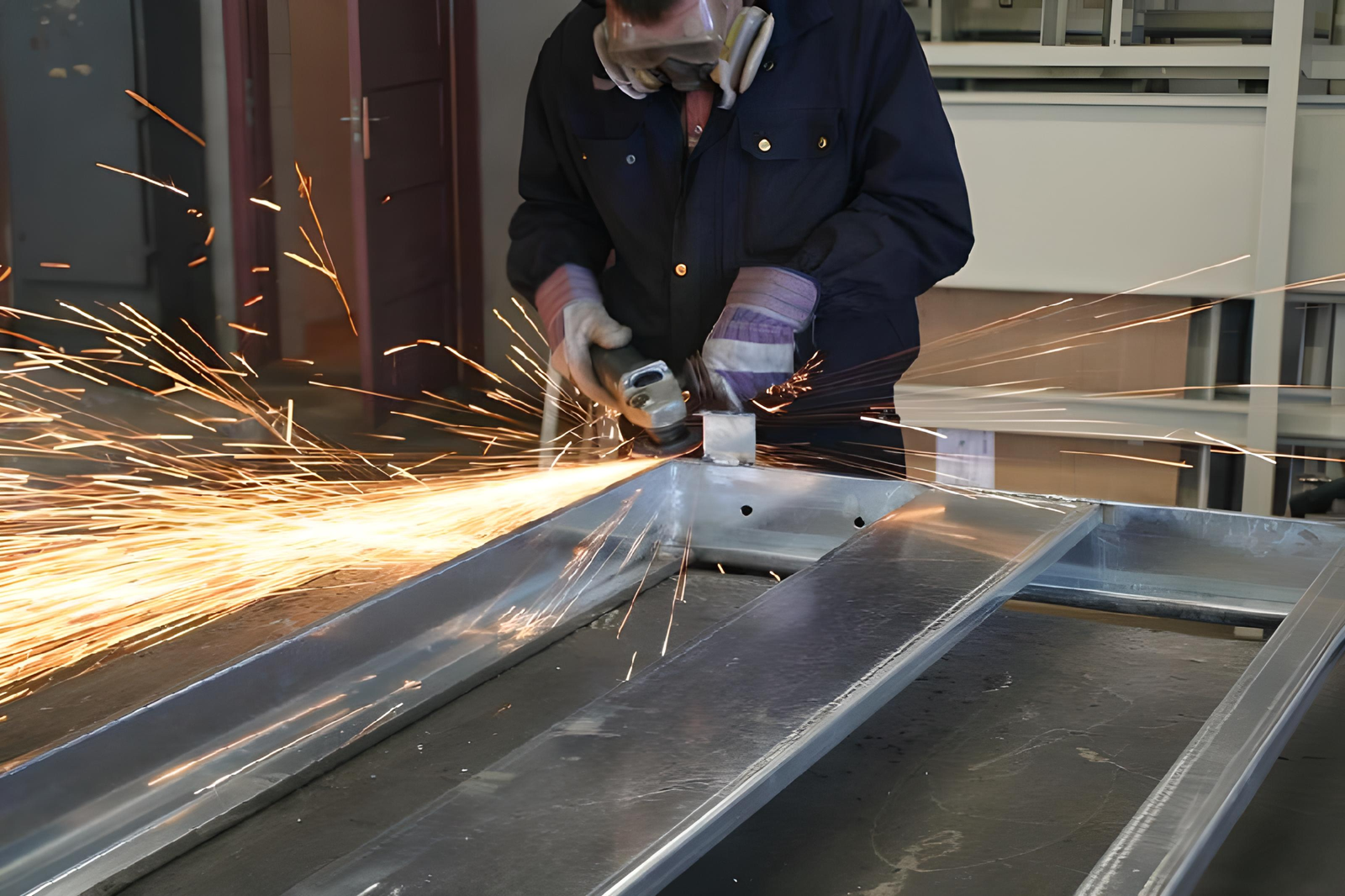
A fabrication company may offer more value when it can handle multiple stages of production under one roof. Depending on the project, this could include welding, grinding, deburring, powder coating, painting, polishing, plating, or final assembly.
Using one provider for several processes can simplify project management. Instead of coordinating multiple suppliers, customers can work with one manufacturing partner responsible for the finished component.
It is important to confirm the specific finishing options available and whether they are suitable for the intended application. Surface finishing can improve appearance, corrosion resistance, durability, and overall product performance.
Transparent Pricing and Communication
Cost is naturally important, but the lowest quotation is not always the best option. A very low price may reflect limitations in materials, finishing, quality control, equipment, or customer support.
Reliable sheet metal fabrication services should provide clear quotations that explain important cost factors. These may include material, cutting, forming, welding, finishing, tooling, setup, packaging, and shipping.
Communication is equally important. The supplier should respond clearly to questions and notify customers about potential issues before they become serious problems. Good communication helps prevent misunderstandings about dimensions, materials, quantities, delivery dates, and specifications.
Customer Reviews and Industry Reputation
A company’s reputation can provide useful insight into its reliability. Before making a final decision, businesses should review customer feedback, case studies, testimonials, and examples of completed work.
It is particularly useful to look for experience in the same industry or with similar applications. A fabricator that has successfully handled comparable projects may already understand common technical requirements and challenges.
Customers can also ask for references when appropriate. Speaking with previous or existing customers can provide valuable information about product quality, communication, delivery performance, and after-sales support.
Choosing the Right Fabrication Partner
Selecting reliable sheet metal fabrication services requires a balanced evaluation of quality, technical capability, experience, communication, and cost. Businesses should look beyond a simple quotation and consider whether the provider has the equipment, expertise, materials, inspection systems, and production capacity needed for the project.
The right fabrication partner should be able to understand project requirements, produce accurate components, maintain consistent quality, meet agreed deadlines, and communicate effectively throughout the manufacturing process. Taking the time to evaluate these factors can reduce production risks and create a stronger long-term supplier relationship.
Ultimately, reliability comes from a combination of skilled professionals, appropriate technology, strong quality control, and a commitment to customer requirements. By carefully assessing these areas before placing an order, businesses can choose a fabrication provider that supports efficient production and delivers dependable sheet metal components.