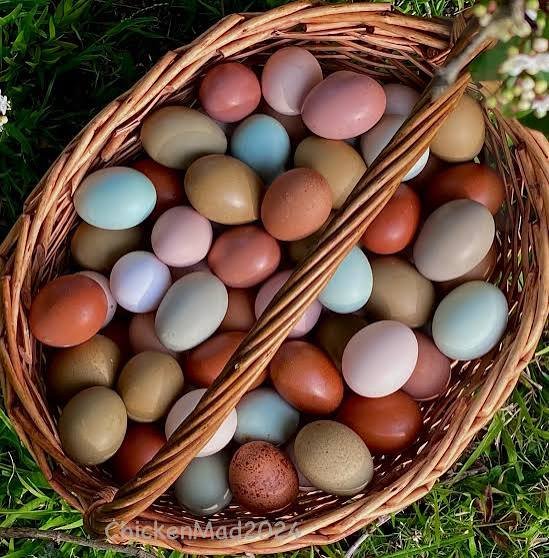
Raising Araucana chickens can be an exciting opportunity for poultry farmers who want to diversify their flocks and offer customers something distinctive. Known for their blue-shelled eggs and unique araucana eggs for sale appearance, Araucanas attract the attention of backyard poultry keepers, small-scale farmers, and people interested in colorful egg production. However, finding quality Araucana eggs for sale requires careful research, especially when the goal is to establish a healthy flock and achieve reliable hatching results.
Whether you are expanding an existing poultry farm or starting a new breeding project, understanding where to purchase Araucana eggs and how to evaluate sellers can help you make informed decisions. From specialist poultry breeders to established hatcheries and local farming networks, several options are worth exploring.
Understanding Araucana Chickens and Their Eggs
Araucana chickens are a distinctive breed associated with naturally blue-shelled eggs. Their unusual appearance and colorful egg production make them appealing to poultry enthusiasts and farmers who want to offer a differentiated product.
One important consideration is the distinction between purebred Araucanas and other blue-egg-laying chickens, such as Ameraucanas and Easter Eggers. Although these birds may share certain characteristics, they are not interchangeable breeds. Buyers seeking Araucana hatching eggs should confirm the seller’s breeding information and understand the characteristics of the birds being offered.
Araucanas are also known for distinctive physical features, which can vary according to recognized breed standards and regional breeding lines. If your poultry farm focuses on breeding or showing birds, documentation about the parent flock is particularly important.
1. Search for Reputable Specialist Poultry Breeders
Specialist poultry breeders are among the most useful sources when looking for Araucana eggs for sale. These breeders often focus on maintaining particular bloodlines, improving breed characteristics, and producing birds suitable for breeding projects.
A reputable breeder should be able to explain the origin of the parent flock, the age of the breeding birds, and the conditions under which eggs are collected and stored. They should also answer questions about fertility records, breeding practices, and previous hatching results.
Before purchasing, ask whether the eggs come from a flock maintained specifically for breeding or from a mixed group of chickens. Clear information helps you understand what to expect from the resulting chicks.
It is also sensible to request recent photographs of the parent birds and their housing conditions. Although photographs cannot guarantee egg quality, they can provide useful background information when combined with transparent communication and reliable references.
2. Explore Established Poultry Hatcheries
Poultry hatcheries may offer fertile Araucana eggs, day-old chicks, or other breeding stock, depending on their facilities and seasonal availability. Some hatcheries specialize in heritage breeds, while others maintain a broader selection of poultry varieties.
When researching hatcheries, check their breed descriptions carefully. A listing that advertises blue eggs does not necessarily mean the birds are purebred Araucanas. Contact the hatchery directly if the description is unclear.
Ask about egg collection, storage, packaging, shipping schedules, and any policies covering damaged deliveries. It is also worth checking whether the hatchery provides guidance for customers who experience poor hatching results.
Remember that availability can change throughout the year. Breeding seasons, demand, and the size of a hatchery’s parent flock can all affect supply. Contacting sellers ahead of time may help you plan purchases around your farm’s production schedule.
3. Use Online Poultry Marketplaces
Online poultry marketplaces make it easier to compare sellers and discover Araucana eggs for sale across different regions. Dedicated poultry websites, breeder directories, and farm classified platforms may feature listings from independent breeders and small farms.
These platforms can help you compare prices, shipping arrangements, seller descriptions, and available quantities without visiting every farm in person.
However, online listings should be evaluated carefully. A low price or attractive photograph does not necessarily indicate a reliable seller. Some listings may use incorrect breed names, outdated photographs, or incomplete descriptions.
Before placing an order, review the seller’s history, ask specific questions about the parent flock, and look for independent feedback where available. Avoid sending payment if the seller refuses to provide basic information or makes unrealistic promises about fertility and hatch rates.
For larger orders, request written confirmation of the number of eggs, the agreed price, the shipping method, and the seller’s policies. Keeping these details documented can reduce misunderstandings.
4. Connect With Local Poultry Farmers and Breeding Clubs
Local poultry farming communities can be valuable resources for finding Araucana eggs. Farmers who already raise heritage breeds may know trusted breeders, seasonal suppliers, and regional poultry networks.
Consider joining poultry associations, agricultural groups, breeder clubs, and community farming forums. These networks often provide opportunities to exchange recommendations and learn about breeding practices.
Local contacts may also allow you to inspect the parent flock before purchasing. Seeing the birds in person can help you evaluate their general condition, housing, and the breeder’s approach to flock management.
Agricultural fairs and poultry exhibitions can offer additional opportunities to meet breeders and discuss their breeding programs. Even when eggs are not available immediately, establishing relationships with reputable suppliers may help you secure future batches.
5. Contact Agricultural Farms and Heritage-Breed Suppliers
Some diversified farms maintain heritage poultry alongside other livestock and agricultural activities. These businesses may sell hatching eggs directly or connect buyers with nearby breeders.
When contacting a farm, explain whether you need eggs for hatching, breeding-stock development, or commercial egg production. The intended use matters because fertile hatching eggs and table eggs serve different purposes.
For a breeding project, ask about the parent birds’ breed identity, flock management, and the possibility of obtaining unrelated breeding lines. Introducing suitable genetic diversity can help support a healthier long-term breeding program.
If your farm operates in a region where Araucanas are uncommon, you may need to investigate specialist suppliers in other areas. In that situation, shipping regulations, import permits, veterinary documentation, and transport conditions deserve particular attention.
What to Check Before Buying Araucana Hatching Eggs
Finding a seller is only the first step. Choosing eggs from a reliable source is equally important, particularly when you plan to hatch enough chicks to establish or expand a productive flock.
Confirm Breed Identity
Ask the seller to distinguish purebred Araucanas from Ameraucanas and mixed blue-egg-laying chickens. If breed purity matters to your project, request appropriate pedigree information or breeding records.
Ask About Fertility
No supplier can guarantee that every egg will hatch. Fertility depends on several factors, including the health of the parent birds, breeding management, egg handling, and incubation conditions.
Request recent fertility information if available, but remember that past results do not guarantee the performance of a new batch.
Examine Handling and Storage Practices
Hatching eggs require careful handling. Ask how frequently eggs are collected, how they are stored before dispatch, and how they are packaged for transport.
Rough handling, unsuitable storage, and extended delays may reduce hatchability. Eggs should be packed to minimize movement and protect them from damage during delivery.
Compare Total Costs
The cheapest listing is not always the most economical choice. Consider the price per egg, packaging fees, shipping costs, potential import expenses, and the possibility of purchasing replacement eggs if a batch performs poorly.
For commercial farms, comparing the total cost of establishing a healthy flock provides a more useful picture than comparing individual egg prices alone.
Preparing Your Poultry Farm for Arrival
Before ordering hatching eggs, make sure your farm is ready to receive and incubate them. A suitable incubator, reliable temperature and humidity controls, and an appropriate turning system are important parts of the process.
Follow the incubator manufacturer’s instructions and established poultry-hatching guidance. Avoid making major adjustments without understanding how they affect embryo development.
Prepare a clean brooder with suitable warmth, ventilation, fresh water, and appropriate chick feed before the expected hatch date. Planning ahead helps reduce stress on newly hatched chicks and supports their early development.
You should also consider flock capacity. Make sure you have enough space, feed, and time to care for the number of chicks you intend to hatch. Some eggs may not develop, and some chicks may require additional care, so realistic planning is essential.
Common Mistakes to Avoid When Buying Araucana Eggs
One common mistake is assuming that every blue egg comes from a purebred Araucana. Confirming the identity of the parent flock helps prevent disappointment and supports more accurate breeding records.
Another mistake is purchasing a large quantity from an unfamiliar seller before evaluating their reliability. Starting with a manageable order can help you assess communication, packaging, and the quality of the supplier’s information.
Buyers should also avoid expecting a guaranteed hatch rate. Even carefully handled fertile eggs can fail to hatch because of biological factors and environmental conditions.
Finally, do not overlook local laws. Transporting poultry eggs across borders may require permits, health certificates, or compliance with animal-disease control measures. Check the applicable requirements before arranging international delivery.
Conclusion
Finding Araucana eggs for sale for your poultry farm becomes easier when you know where to look and how to evaluate potential suppliers. Specialist breeders, established hatcheries, online poultry marketplaces, local farming communities, and heritage-breed farms can all be useful starting points.
The best purchasing decision depends on your farm’s goals, budget, location, and breeding requirements. Prioritize transparent sellers, clear breed information, responsible handling practices, and realistic expectations about hatching results.
With careful research and suitable preparation, Araucana hatching eggs can become a valuable addition to a poultry project. By building relationships with dependable breeders and maintaining good flock-management practices, you can create a stronger foundation for long-term poultry farming success.