Introduction
The jewelry industry continues to evolve as brands seek distinctive designs, consistent product quality, and reliable manufacturing solutions. Customers increasingly prefer jewelry that reflects their personal style, while businesses need production partners capable of transforming creative concepts into market-ready products. Working with an experienced OEM jewelry manufacturer can help jewelry brands achieve these goals through customized designs, advanced production techniques, and efficient manufacturing processes.
OEM, or Original Equipment Manufacturing, allows businesses to develop jewelry products according to their own specifications while relying on a specialized manufacturer for production. This approach is particularly valuable for brands that want to establish unique collections without investing heavily in manufacturing facilities, equipment, and technical expertise. Understanding customization options, quality standards, and production efficiency can help businesses choose the right manufacturing partner.
What Does an OEM Jewelry Manufacturer Do?
An OEM jewelry manufacturer produces jewelry according to the requirements and specifications provided by a client. Instead of selling only ready-made designs, the manufacturer works with brands, retailers, wholesalers, and designers to create products that match their business objectives.
The manufacturing process may involve transforming sketches into technical drawings, selecting suitable materials, creating prototypes, and producing finished jewelry pieces. Depending on the manufacturer’s capabilities, services can include casting, stamping, cutting, polishing, stone setting, plating, engraving, and final packaging.
OEM manufacturing provides businesses with greater control over their product identity. Brands can determine the appearance, materials, dimensions, finishes, and other important characteristics of their collections. This flexibility makes OEM production suitable for businesses looking to introduce exclusive jewelry designs and strengthen their market position.
The Importance of Customization in Jewelry Manufacturing
Customization is one of the most valuable advantages of OEM jewelry production. In a competitive marketplace, unique designs help brands differentiate themselves and attract customers who appreciate originality.
Creating Designs That Reflect Brand Identity
Every jewelry brand has its own visual identity and target audience. Some businesses focus on minimalist everyday accessories, while others specialize in luxury statement pieces or contemporary fashion jewelry.
A professional manufacturer works closely with clients to understand their creative direction. Design specifications may include shapes, patterns, dimensions, decorative elements, gemstones, and finishing details.
Brands can also request customized logos, engraved messages, distinctive packaging, and signature design elements. These features help establish a recognizable product identity and create a consistent experience across different collections.
Selecting Materials and Finishes
Material selection directly influences the appearance, durability, and price of jewelry. Depending on the product requirements, manufacturers may work with sterling silver, stainless steel, brass, gold, and other suitable materials.
Finishing options can include polished, brushed, matte, textured, oxidized, and plated surfaces. Different finishes create different visual effects and allow businesses to develop collections for specific customer preferences.
An experienced OEM jewelry manufacturer can explain the advantages and limitations of available materials, helping clients make informed decisions about appearance, performance, and production costs.
Developing Prototypes and Samples
Before starting large-scale production, brands should evaluate product samples. Prototyping allows businesses to review dimensions, proportions, material quality, comfort, and overall appearance.
If adjustments are necessary, the manufacturer can refine the design before proceeding with bulk orders. This step reduces the possibility of costly production mistakes and ensures that finished products meet the original requirements.
Maintaining High-Quality Standards
Quality is essential to building customer trust and developing a successful jewelry business. Even attractive designs may fail to satisfy customers if products have inconsistent finishes, weak components, or poor durability.
Material Inspection and Verification
Reliable manufacturers establish material inspection procedures to ensure that production inputs meet agreed specifications. Material verification is particularly important for precious metals, gemstones, and products that require specific composition standards.
Businesses should discuss material documentation, applicable testing procedures, and quality requirements before confirming an order.
Precision and Manufacturing Techniques
Modern jewelry production combines traditional craftsmanship with advanced manufacturing technologies. Techniques such as computer-aided design, precision casting, laser engraving, and automated polishing can improve accuracy and consistency.
These technologies help manufacturers reproduce detailed designs while maintaining consistent dimensions across production batches.
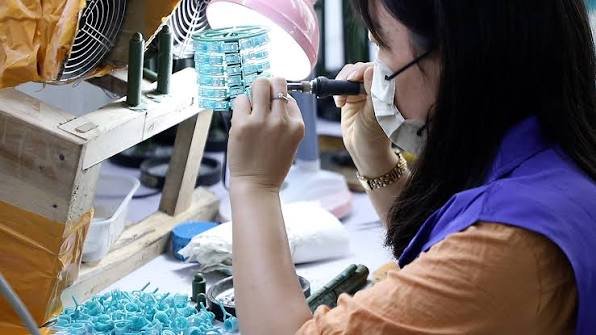
However, skilled craftsmanship remains important. Experienced technicians are needed for delicate stone setting, detailed finishing, assembly, and visual inspection.
Quality Control at Every Production Stage
Effective quality control should take place throughout the manufacturing process rather than only after production is complete.
Important inspection stages include:
- Checking raw materials before production.
- Reviewing design measurements and prototypes.
- Monitoring casting, cutting, and shaping processes.
- Inspecting stone settings and assembled components.
- Checking polishing, plating, and surface finishes.
- Conducting final inspections before packaging.
These procedures help identify defects early and reduce the likelihood of inconsistent products reaching customers.
Improving Manufacturing Efficiency
Production efficiency affects delivery schedules, operating costs, and a brand’s ability to respond to market demand. Businesses should therefore evaluate how a manufacturing partner organizes its production operations.
Streamlined Production Planning
An organized production plan helps manufacturers manage different orders, allocate resources, and maintain realistic delivery schedules. Clear communication about product specifications, quantities, materials, and deadlines reduces confusion during production.
Manufacturers with established workflows can coordinate design approval, material preparation, production, inspection, and packaging more effectively.
Technology and Modern Equipment
Advanced equipment can improve production speed and accuracy. Computer-aided design software allows manufacturers to develop detailed digital models, while precision machinery supports consistent cutting, engraving, and shaping.
Digital design files also make it easier to communicate product specifications and maintain consistency when producing repeat orders.
Combining technology with experienced craftsmanship helps businesses achieve both creative flexibility and dependable manufacturing results.
Managing Production Costs
Cost management is another important part of efficient jewelry manufacturing. Production expenses may include raw materials, labor, design development, tooling, finishing, packaging, and transportation.
Brands should request transparent quotations that explain the major cost components. Comparing manufacturers based only on the lowest price can be misleading because differences in materials, workmanship, and quality control may affect the final value.
An effective manufacturing partnership focuses on balancing product quality, production costs, and long-term business requirements.
How to Choose the Right OEM Jewelry Manufacturer
Selecting the right manufacturing partner requires careful research and evaluation. Businesses should consider several factors before entering into a production agreement.
Review Manufacturing Experience
A manufacturer’s experience can provide useful insight into its technical capabilities and understanding of different jewelry categories. Review its previous projects, product range, customization services, and experience with similar designs.
Requesting samples can also help businesses evaluate workmanship and determine whether the manufacturer can meet their expectations.
Evaluate Communication and Customer Support
Clear communication is essential throughout the manufacturing process. A reliable partner should respond to questions, explain technical limitations, provide production updates, and communicate potential delays.
Brands should also establish clear approval procedures for designs, samples, and finished products.
Understand Minimum Order Quantities
Manufacturers may establish minimum order quantities based on material requirements, production methods, and operational costs. Businesses launching new collections should discuss these requirements in advance.
Flexible order quantities can be particularly useful for startups and smaller brands that want to test market demand before committing to larger production runs.
Discuss Intellectual Property Protection
Custom jewelry designs represent valuable business assets. Before sharing confidential sketches, technical drawings, or design files, brands should discuss intellectual property protection and confidentiality arrangements.
Written agreements can clarify ownership of designs, restrictions on unauthorized reproduction, and the handling of confidential business information.
Building Long-Term Business Relationships
A successful manufacturing relationship involves more than completing individual orders. Long-term cooperation can help jewelry brands maintain product consistency, improve production planning, and introduce new collections more efficiently.
When manufacturers understand a client’s design preferences, quality expectations, and business objectives, future projects can become easier to coordinate.
Regular communication, clear documentation, constructive feedback, and realistic production schedules support stronger professional relationships. Businesses should also review manufacturing performance periodically to ensure that quality and service standards remain consistent.
The Future of OEM Jewelry Manufacturing
The future of OEM jewelry production will continue to be influenced by technology, customization, sustainability, and changing consumer expectations.
Digital design tools, automated production equipment, and improved material-testing methods are making it easier to develop detailed products with greater precision. Meanwhile, customers are becoming more interested in responsible sourcing, durable materials, and transparent manufacturing practices.
Brands may increasingly seek manufacturers that can provide recycled materials, efficient resource management, reduced production waste, and responsible supply chain practices.
Manufacturers that adapt to these developments can offer more competitive services while helping businesses respond to changing market expectations.
Conclusion
Working with an experienced OEM jewelry manufacturer provides businesses with opportunities to develop customized collections, maintain quality standards, and improve production efficiency. From initial design development and material selection to prototyping, manufacturing, and final inspection, every stage contributes to the success of a finished jewelry product.
Choosing the right manufacturing partner requires evaluating technical expertise, customization capabilities, quality control procedures, communication, pricing, and production capacity. By prioritizing these factors, jewelry brands can establish reliable manufacturing relationships and create distinctive collections that meet customer expectations.
Ultimately, effective OEM jewelry manufacturing combines creative design, skilled craftsmanship, modern technology, and organized production management. Businesses that build partnerships around these principles can strengthen their brand identity, deliver consistent products, and establish a solid foundation for long-term growth in the competitive jewelry industry.