Introduction
Jewelry is more than an accessory; it is a reflection of creativity, personality, craftsmanship, and individual style. Behind every beautifully designed jewelry collection is a detailed manufacturing process that transforms original ideas into finished products. Whether a business wants to introduce a luxury jewelry line, expand an existing collection, or develop unique pieces for a specific audience, working with a reliable custom jewelry manufacturer can make a significant difference.
Custom jewelry manufacturing allows brands, designers, retailers, and entrepreneurs to bring their creative concepts to life. From selecting materials and developing prototypes to refining intricate details and completing production, experienced manufacturers provide the technical knowledge and resources needed to create distinctive jewelry. By combining artistic vision with modern production techniques, businesses can develop collections that stand out in competitive markets.
Understanding the Value of Custom Jewelry Manufacturing
Custom jewelry manufacturing offers opportunities to create products that reflect a brand’s identity and meet specific customer expectations. Unlike mass-produced jewelry, customized pieces can be developed according to individual design requirements, material preferences, sizes, finishes, and decorative elements.
Businesses can collaborate with manufacturers to create necklaces, bracelets, earrings, rings, pendants, and other accessories. Each product can incorporate distinctive features that communicate a particular style or design concept.
For jewelry brands, customization also provides greater control over product development. Instead of choosing from standard designs, businesses can create exclusive collections that align with their target audience. This flexibility makes custom manufacturing an attractive solution for companies seeking originality, consistency, and long-term brand recognition.
Turning Creative Concepts Into Practical Designs
Every successful jewelry collection begins with an idea. Designers may draw inspiration from architecture, nature, fashion trends, cultural traditions, personal experiences, or contemporary artistic movements. However, transforming an initial concept into a practical jewelry design requires careful planning and technical expertise.
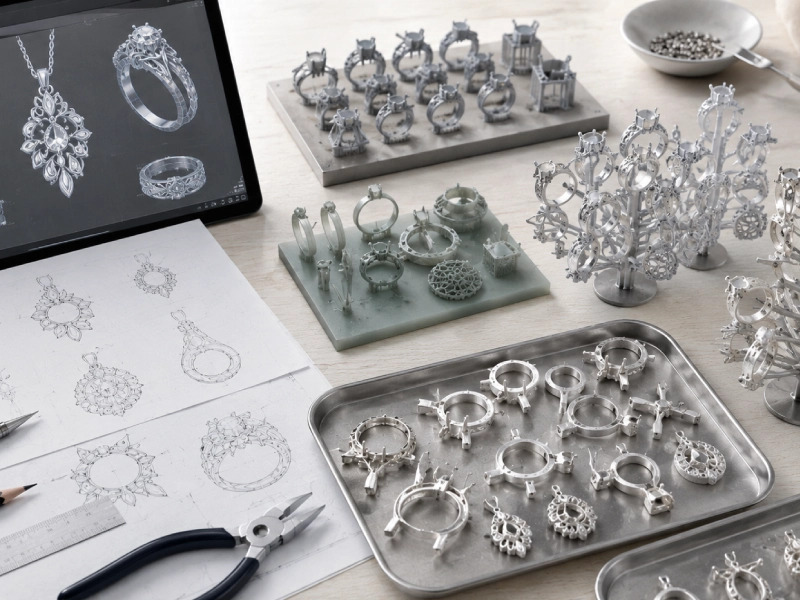
A professional custom jewelry manufacturer works closely with clients to understand their creative vision. The process may begin with sketches, reference photographs, digital illustrations, or detailed design specifications.
Manufacturers evaluate these concepts to determine how they can be translated into functional products. They consider dimensions, proportions, structural strength, material compatibility, and manufacturing requirements.
Computer-aided design technology can also support this stage. Three-dimensional models allow designers to examine jewelry from different angles, adjust proportions, and identify potential issues before production begins.
This collaboration helps ensure that the final product maintains the original creative vision while meeting practical manufacturing standards.
Selecting the Right Materials for Every Collection
Material selection plays an essential role in jewelry quality, appearance, durability, and overall value. Different materials create different visual effects and offer unique manufacturing possibilities.
Gold, silver, platinum, stainless steel, brass, and other metals are commonly used in jewelry production. Each option has specific characteristics that influence its suitability for particular designs and price categories.
Gemstones and decorative elements can further enhance a collection. Diamonds, sapphires, emeralds, pearls, crystals, and other stones offer opportunities to introduce color, texture, and visual interest.
Manufacturers help businesses select materials based on their designs, target customers, quality expectations, and budgets. They can also explain the advantages and limitations of different finishes, plating techniques, and material combinations.
Choosing suitable materials from the beginning helps create products that look attractive while maintaining their intended performance over time.
The Importance of Prototyping and Sample Development
Before moving into large-scale production, developing a prototype is an important step. A sample allows designers and businesses to examine how their concepts translate into physical jewelry.
During this stage, manufacturers create initial versions of the proposed designs. These samples provide an opportunity to evaluate dimensions, weight, comfort, finishing, stone placement, and overall appearance.
A prototype may reveal details that were difficult to identify in digital drawings. For example, a necklace might require adjustments to its chain length, while a ring may need changes to its setting or proportions.
Clients can review the samples and request modifications before approving the final design.
This process reduces the likelihood of production mistakes and helps ensure that finished products meet expectations. It also creates a clear reference point for maintaining consistency throughout manufacturing.
Modern Manufacturing Techniques Improve Product Quality
Technology has transformed the jewelry manufacturing industry by introducing more accurate, efficient, and flexible production methods. Modern equipment allows manufacturers to produce intricate designs while maintaining detailed specifications.
Some commonly used manufacturing techniques include:
Computer-Aided Design
CAD software enables designers to develop precise digital jewelry models. It supports detailed adjustments and helps manufacturers understand the technical requirements of each piece.
3D Printing
Three-dimensional printing can produce jewelry prototypes and models with complex shapes. It helps reduce development time and allows designers to evaluate creative concepts before final production.
Casting and Metalworking
Casting techniques transform prepared models into metal jewelry components. Additional metalworking processes help shape, refine, and assemble individual elements.
Stone Setting and Polishing
Professional stone-setting techniques secure gemstones in their intended positions. Polishing and finishing processes improve surface appearance and give jewelry its desired visual character.
Combining traditional craftsmanship with modern technology allows manufacturers to balance artistic detail with production accuracy.
Creating Collections That Reflect Brand Identity
A successful jewelry collection should communicate a consistent identity. Individual products may have different shapes, materials, or decorative features, but they should share recognizable design characteristics.
For example, a luxury brand might focus on elegant proportions, precious metals, and carefully selected gemstones. A contemporary fashion label may prefer minimalist shapes, geometric details, and versatile everyday designs.
A custom jewelry manufacturer can help businesses translate these brand characteristics into cohesive product collections.
Manufacturers may produce coordinated necklaces, rings, earrings, and bracelets that complement one another. They can also help develop signature details, distinctive finishes, and recognizable design elements.
This consistency helps customers associate particular styles with a brand. It also makes collections easier to present through online stores, retail displays, promotional campaigns, and seasonal launches.
Quality Control Throughout the Production Process
Quality control is essential for maintaining customer satisfaction and protecting brand reputation. Even beautifully designed jewelry can create problems if its materials, construction, or finishing do not meet appropriate standards.
Reliable manufacturers implement inspection procedures at different production stages. These checks may include examining raw materials, reviewing component dimensions, inspecting gemstone settings, and evaluating finished surfaces.
Products should also be assessed for structural integrity, finishing consistency, and overall appearance.
Businesses should discuss quality expectations with their manufacturing partners before production begins. Clear specifications, approved samples, and documented requirements help establish consistent standards.
Careful inspection before packaging and shipment reduces the risk of defective products reaching customers.
Choosing a Reliable Custom Jewelry Manufacturer
Selecting the right manufacturing partner is an important business decision. A manufacturer should offer more than production capacity; it should understand the creative, technical, and commercial requirements of jewelry brands.
Businesses should consider several factors when evaluating potential partners.
Manufacturing experience: Review the manufacturer’s experience with different jewelry categories, materials, and production techniques.
Design capabilities: Look for manufacturers that can support original concepts, technical drawings, CAD modeling, and sample development.
Production capacity: Ensure the manufacturer can handle current order requirements and potentially accommodate future business growth.
Quality standards: Ask about material verification, inspection procedures, finishing quality, and production consistency.
Communication: Clear communication helps prevent misunderstandings and makes it easier to resolve design or production challenges.
Pricing transparency: Request detailed quotations that explain material costs, development fees, production charges, and other relevant expenses.
Reviewing these factors can help businesses establish productive manufacturing relationships.
Supporting Business Growth Through Custom Collections
Custom jewelry manufacturing can support business growth by allowing companies to respond to changing customer preferences and market opportunities.
Brands can introduce limited-edition collections, seasonal designs, personalized products, and exclusive pieces for specific customer groups. This flexibility creates opportunities to differentiate products and build stronger relationships with buyers.
Working with an experienced manufacturing partner can also simplify product expansion. Businesses may begin with a small selection of designs and gradually introduce additional categories as demand increases.
Consistent production standards, reliable communication, and thoughtful product development help create a foundation for sustainable growth.
Conclusion
Turning creative concepts into beautiful jewelry collections requires imagination, technical knowledge, careful material selection, and dependable manufacturing processes. From initial sketches and digital modeling to prototyping, production, and final inspection, every stage contributes to the quality and character of the finished product.
A professional custom jewelry manufacturer helps bridge the gap between creative inspiration and commercial production. By combining craftsmanship with modern technology, manufacturers enable brands and designers to develop distinctive collections that reflect their identities and appeal to their target customers.
Choosing the right manufacturing partner can therefore become an important step toward building a recognizable jewelry brand, delivering quality products, and creating collections that customers appreciate for years to come.