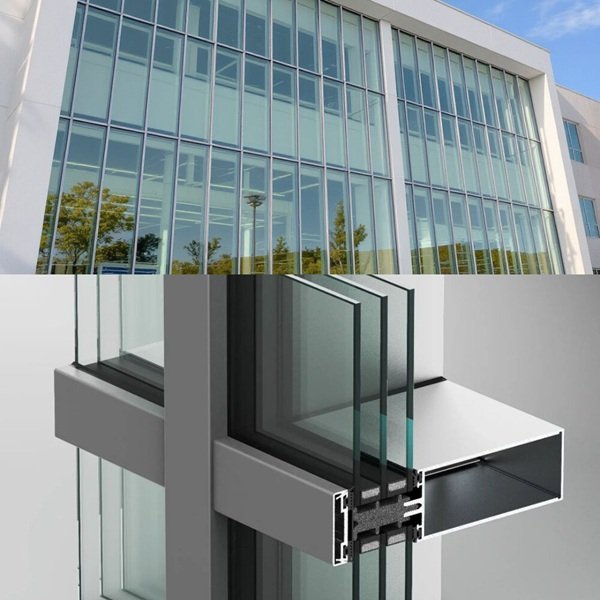
Modern architecture increasingly focuses on creating buildings that combine visual beauty, functionality, sustainability, and occupant comfort. One architectural solution that supports these objectives is the glass curtain wall. Commonly used in commercial offices, hotels, shopping centers, educational institutions, and high-rise developments, this exterior building system offers a contemporary appearance while allowing natural light to enter interior spaces. Its versatility, performance, and design possibilities have made it an important feature of modern construction.
A glass curtain wall is a non-structural exterior façade that is attached to a building’s structural frame. Unlike traditional exterior walls, it does not carry the building’s floor or roof loads. Instead, it transfers its own weight and environmental forces, such as wind pressure, to the main structural system. By combining glass panels with metal framing, architects can create attractive façades that improve the overall appearance and functionality of buildings.
Understanding the Design of a Glass Curtain Wall
A glass curtain wall typically consists of glass panels, aluminium framing, sealing materials, brackets, and supporting components. Each element contributes to the stability, weather resistance, and appearance of the façade. Aluminium is frequently selected for framing because it is lightweight, durable, resistant to corrosion, and suitable for different architectural configurations.
The glass panels may include clear, tinted, reflective, laminated, or insulated glazing. The appropriate selection depends on the building’s location, climate, energy requirements, privacy needs, and design objectives. For example, double-glazed units can help reduce heat transfer and improve indoor comfort, while laminated glass can provide additional safety and security.
Main Types of Curtain Wall Systems
There are several curtain wall configurations available for modern construction projects. Stick-built systems are assembled on-site, allowing flexibility during installation and making them suitable for certain building designs. Unitized systems consist of factory-assembled panels that are transported to the construction site and installed as complete sections. This approach can improve quality control and reduce installation time on suitable projects.
Semi-unitized systems combine elements of both approaches. They may offer a practical solution when a project requires specific installation methods or architectural arrangements. Choosing between these systems requires consideration of building height, project size, construction schedules, site conditions, and engineering requirements.
Maximizing Natural Light in Interior Spaces
One of the most important advantages of a glass curtain wall is its ability to introduce natural daylight into buildings. Large glazed surfaces allow sunlight to enter interior areas, creating brighter and more welcoming environments. This can reduce the need for artificial lighting during daylight hours, depending on the building’s orientation, interior layout, and lighting controls.
Natural light can also improve the visual quality of indoor spaces. Offices with well-designed glazing may feel more open, while hotels and commercial buildings can offer visitors attractive views of surrounding landscapes or city environments. Access to daylight and outdoor views can contribute to a more comfortable and engaging experience for occupants.
Supporting a Comfortable Indoor Environment
Although natural light provides several benefits, excessive sunlight can cause glare, overheating, and uncomfortable temperature variations. A successful glass curtain wall design must balance daylight access with solar control. Architects and engineers can use low-emissivity coatings, solar-control glazing, external shading devices, and carefully planned building orientation to manage sunlight.
Interior blinds, automated shading systems, and lighting controls can provide additional flexibility. These features help maintain comfortable working and living conditions throughout the day while making effective use of available daylight.
Improving the Aesthetic Appeal of Modern Architecture
The visual impact of a glass curtain wall is another reason for its popularity. Its clean lines, transparent surfaces, and contemporary appearance allow architects to develop distinctive building exteriors. Glass façades can make structures appear lighter and more open while reflecting the surrounding environment.
In urban settings, glazed buildings often create a modern architectural identity. Reflective surfaces can interact with natural light, nearby buildings, and changing weather conditions, giving the exterior different visual qualities throughout the day. Transparent glass can also connect interior spaces with outdoor surroundings, creating a sense of openness.
Flexible Design Possibilities
Glass curtain wall systems are available in different colors, shapes, sizes, and finishes. Architects can combine transparent, tinted, patterned, and reflective glass to achieve specific visual effects. Curved façades, angled panels, and customized arrangements can also help create distinctive architectural designs.
Framing systems offer additional design flexibility. Aluminium profiles can be finished in different colors and textures to complement a building’s overall appearance. This adaptability makes curtain walls suitable for a wide range of architectural styles, from simple commercial structures to complex high-rise developments.
Energy Efficiency and Environmental Performance
Energy efficiency is an important consideration in modern building design. A properly engineered glass curtain wall can contribute to improved building performance by controlling heat transfer, managing sunlight, and maximizing useful daylight. However, the results depend heavily on the glazing specifications, installation quality, climate, and overall building design.
Insulated glass units contain multiple glass panes separated by a sealed space that can reduce heat transfer. Low-emissivity coatings help control the movement of radiant heat while allowing visible light to pass through. Solar-control glass can reduce unwanted solar heat gain, particularly in buildings located in warm climates.
Supporting Sustainable Construction
Sustainable construction involves more than selecting attractive building materials. It requires evaluating energy consumption, material durability, maintenance requirements, and environmental impact throughout a building’s life cycle. Aluminium framing can be recycled, while certain glass products may also contain recycled materials or be suitable for recycling through appropriate facilities.
A well-planned façade can reduce dependence on artificial lighting and support efficient heating, ventilation, and air-conditioning strategies. Nevertheless, extensive glazing is not automatically energy-efficient. In unsuitable climates or poorly designed buildings, it can increase cooling demand. Careful thermal modelling and professional façade design are essential for achieving meaningful environmental benefits.
Safety, Durability, and Weather Protection
A glass curtain wall must perform reliably under different environmental conditions. It needs to withstand wind loads, temperature changes, rain, and other forces associated with its location and building height. Engineers assess these factors when selecting glass thickness, framing dimensions, connections, and supporting components.
Safety glazing is particularly important in modern buildings. Tempered glass is designed to break into smaller fragments, while laminated glass uses an interlayer that helps hold broken pieces together. The appropriate glass type depends on building regulations, location, accessibility, and potential impact risks.
Weather resistance is another essential feature. Properly designed drainage channels, seals, gaskets, and joints help prevent water penetration and air leakage. Regular inspections and maintenance are necessary to identify damaged seals, loose components, or other issues before they affect façade performance.
Installation and Maintenance Considerations
Installing a glass curtain wall requires detailed planning and coordination among architects, structural engineers, contractors, and façade specialists. Before installation begins, the supporting structure must be prepared, measurements verified, and connection details reviewed. Correct alignment is essential because even small installation errors can affect appearance, sealing performance, and structural reliability.
Factory fabrication can help improve component consistency and quality control. During on-site installation, workers must follow approved procedures and use suitable lifting equipment and safety systems, especially on high-rise projects.
Maintenance should include periodic cleaning, inspection of glass panels, examination of framing connections, and replacement of deteriorated seals when necessary. Cleaning schedules may vary according to environmental conditions, building height, and exposure to dust or pollution. Proper maintenance helps preserve the façade’s appearance and long-term functionality.
Choosing the Right Glass Curtain Wall Solution
Selecting an appropriate glass curtain wall system requires evaluating several project-specific factors. These include building design, climate, energy targets, budget, structural requirements, and local construction standards. Developers should consider the total cost of ownership rather than focusing exclusively on the initial installation expense.
Working with experienced manufacturers, consultants, and installation professionals can help ensure that the selected system meets technical and architectural requirements. Detailed product specifications, performance testing, warranties, and installation support should also be reviewed before making a final decision.
Conclusion
A glass curtain wall offers an effective way to combine modern architectural design with natural lighting, outdoor views, and functional building performance. Its ability to create attractive façades makes it a popular choice for commercial and residential developments. With suitable glazing, careful engineering, professional installation, and regular maintenance, it can support energy-conscious construction while enhancing the appearance of a building.
As architectural technology continues to develop, glass curtain wall systems are likely to remain an important part of contemporary building design. Their flexibility, visual appeal, and potential for improved environmental performance make them a valuable solution for creating comfortable, efficient, and visually impressive spaces.