Instagram has become one of the most popular platforms for sharing photos, videos, Reels, and creative content. Whether you are a content creator, small business owner, influencer, or casual user, reaching the right audience is essential for building a successful Instagram presence. One useful way to organize and categorize your content is by using relevant hashtags.
Finding the Instagram best hashtags can help your posts reach people interested in your niche, discover new audiences, and attract meaningful engagement. However, using hashtags effectively requires more than adding popular words to every post. You need to understand your audience, choose relevant tags, and evaluate which combinations work best for your content.
In this guide, you will learn how Instagram hashtags work, how to find the right ones, and how to develop a practical hashtag strategy for improving your content’s discoverability.
What Are Instagram Hashtags?
Instagram hashtags are words or phrases preceded by the hash symbol (#). They help categorize content around particular subjects, interests, and communities. For example, someone publishing travel photography might use hashtags such as #TravelPhotography, #TravelTips, or #ExploreTheWorld.
When users search for a hashtag or explore related content, relevant posts may become easier to discover. Hashtags also help Instagram understand the subject of a post, although they do not guarantee that the content will receive additional reach.
Different hashtags serve different purposes. Broad hashtags attract a wide range of content, while specific hashtags connect posts with more focused audiences. Choosing a balanced selection can make your content easier for interested users to find.
Why Instagram Best Hashtags Matter
Hashtags can support your Instagram marketing strategy in several ways.
1. Improve Content Discoverability
Relevant hashtags provide additional context about your post. They can help interested users discover your photos, videos, or Reels when browsing related topics.
For example, a fitness creator sharing a home workout video might use #HomeWorkout or #FitnessTips instead of relying exclusively on a general tag such as #Fitness.
2. Reach a Relevant Audience
A large audience is not always the most valuable audience. People who genuinely care about your content are more likely to interact with your posts, follow your account, and return for future updates.
Niche hashtags can help you connect with people who share specific interests, such as vegetarian cooking, beginner photography, or affordable fashion.
3. Support Brand Awareness
Businesses can use consistent, relevant hashtags to help audiences recognize their content themes. Branded hashtags may also encourage customers to share experiences, participate in campaigns, or publish user-generated content.
4. Organize Content Around Topics
Hashtags help group content by subject. If you regularly publish educational posts, product updates, or tutorials, selecting topic-specific hashtags can reinforce what each post is about.
How to Find the Best Instagram Hashtags
Choosing effective hashtags starts with understanding the content you publish and the people you want to reach.
1. Research Your Niche
Begin by identifying the main topics associated with your account. A food creator might focus on recipes, healthy meals, baking, or local restaurants. A digital marketing account might cover SEO, social media strategies, and content creation.
Search for these topics on Instagram and review the hashtags used in relevant posts. Pay attention to whether the content matches your audience and whether the tags are specific enough to describe your publication.
Avoid copying another account’s entire hashtag list. Research should help you discover relevant opportunities rather than replace your own strategy.
2. Use Instagram Search
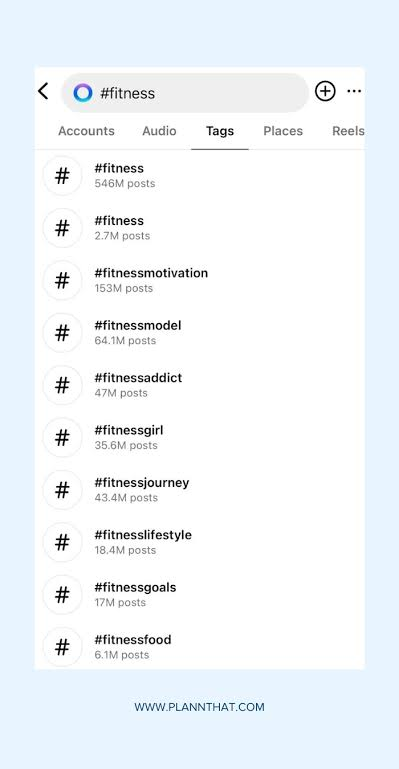
Instagram’s search functionality can help you explore hashtags related to your subject.
Enter a keyword into the search bar and examine relevant results. Look for related phrases, variations, and specialized topics that describe your content accurately.
For example, a photographer could research terms such as #PortraitPhotography, #StreetPhotography, #WeddingPhotography, and #PhotographyTips. Each tag attracts a different type of interest, so the best choice depends on the specific post.
3. Combine Broad and Niche Hashtags
Broad hashtags cover popular subjects, while niche hashtags describe more specific interests.
Consider a post about making homemade coffee. A combination might include #Coffee, #HomeBarista, #CoffeeRecipes, and #IcedCoffeeIdeas.
The broad tag communicates the general topic, while the narrower tags provide additional detail. This approach helps you explore different relevant audiences without filling your caption with unrelated keywords.
4. Analyze Competitors and Creators
Review successful accounts in your niche to understand how they categorize their content. Examine posts that are similar to yours and identify recurring, relevant hashtags.
Look beyond follower counts. Smaller creators may offer useful examples of how to reach a focused community, especially when their content closely matches your topic.
Remember that a hashtag appearing on a successful post does not necessarily mean it caused that post’s performance. Content quality, audience interest, timing, and other factors also matter.
5. Use Hashtag Research Tools
Hashtag research tools can help generate ideas, identify related terms, and organize potential tags into categories. Some tools provide information about popularity, competition, or historical performance.
Before relying on a tool, check what its metrics actually measure and whether the information is current. Treat recommendations as starting points, then review the hashtags manually to confirm their relevance.
Popular Instagram Hashtags by Category
The following examples can help you begin researching hashtags for different content types.
| Content Category | Hashtag Examples |
|---|---|
| General lifestyle | #Lifestyle, #DailyLife, #LifestyleTips |
| Photography | #Photography, #PhotoOfTheDay, #PortraitPhotography |
| Travel | #Travel, #TravelPhotography, #TravelTips |
| Fashion | #Fashion, #StyleInspiration, #OutfitIdeas |
| Food | #Food, #FoodPhotography, #EasyRecipes |
| Fitness | #Fitness, #WorkoutTips, #HomeWorkout |
| Beauty | #Beauty, #MakeupTips, #SkincareRoutine |
| Business | #SmallBusiness, #BusinessTips, #Entrepreneurship |
| Digital marketing | #DigitalMarketing, #SocialMediaMarketing, #ContentStrategy |
| Education | #Learning, #StudyTips, #EducationalContent |
These are examples rather than guaranteed high-performing hashtags. The most useful tags depend on your audience, location, subject, and content format. Always select hashtags that accurately describe the post.
How Many Hashtags Should You Use?
Using more hashtags does not automatically produce better results. Instagram has introduced limits and recommendations that can change over time, so check its current guidance before planning your approach.
A practical starting point is to select a small group of highly relevant hashtags rather than adding a long list of generic terms. For example, you might begin with three to five carefully chosen tags and assess their usefulness over several posts.
Prioritize relevance over quantity. Avoid repeating identical hashtag sets without considering whether they fit each publication.
Common Instagram Hashtag Mistakes to Avoid
Even carefully planned hashtags can be ineffective when used incorrectly.
Using Irrelevant Hashtags
Adding a trending hashtag to unrelated content may attract the wrong audience. Keep every hashtag connected to the subject of your post.
Choosing Only Extremely Popular Tags
Very broad hashtags can expose your content to a large volume of competing posts. Include specific tags that better represent your topic and intended audience.
Ignoring Your Target Audience
Consider the language, interests, and location of the people you want to reach. A local business may benefit more from relevant city or neighborhood hashtags than from unrelated global trends.
Repeating the Same Hashtag Set Everywhere
Different posts often cover different topics. Review your hashtags each time and adjust them to reflect the content.
Relying on Hashtags Alone
Hashtags cannot replace useful content, clear captions, engaging visuals, or genuine interaction. Strong content and a consistent publishing strategy remain essential parts of Instagram growth.
How to Measure Hashtag Performance
A good hashtag strategy should be reviewed regularly. Use Instagram Insights, where available for your account and content type, to understand how your posts perform.
Consider monitoring these indicators:
- Reach: The number of unique accounts that saw your content.
- Engagement: Likes, comments, shares, and saves.
- Profile visits: Whether your content encourages people to explore your account.
- Follows: Whether your posts help attract relevant new followers.
- Content performance: Which topics and formats consistently receive meaningful responses.
Not every account will have a direct metric showing how much reach came specifically from hashtags. When that information is unavailable, compare similar posts, test different relevant hashtag groups, and look for patterns over time.
Change one or two elements at a time when possible. This makes it easier to understand whether differences in performance may be related to your hashtag choices or other aspects of the content.
Tips for Building a Long-Term Hashtag Strategy
For sustainable results, create a simple system for researching and organizing hashtags.
Start by dividing your content into categories. Develop a collection of relevant tags for each category, then select the most appropriate ones whenever you publish a new post.
Refresh your research periodically because audience interests, platform features, and content trends change. Review your results and remove tags that no longer fit your goals.
You should also combine hashtags with descriptive captions, clear keywords, engaging opening lines, and high-quality visuals. For Reels, pay attention to the video’s opening moments and overall usefulness. For carousel posts, provide information that encourages viewers to continue reading and save the content.
Consistency is more valuable than chasing every trend. A focused strategy allows you to understand your audience and improve your content over time.
Conclusion
Finding the Instagram best hashtags involves research, relevance, and regular performance analysis. Rather than choosing tags simply because they are popular, focus on hashtags that accurately describe your content and connect with the audience you want to reach.
Use Instagram search, explore creators in your niche, experiment with broad and specific tags, and review available analytics to understand what works for your account. Avoid irrelevant hashtags and remember that no tag can guarantee viral results.
When combined with valuable content, clear captions, and consistent publishing, a thoughtful hashtag strategy can support discoverability, encourage meaningful engagement, and help you build a stronger Instagram presence over time.