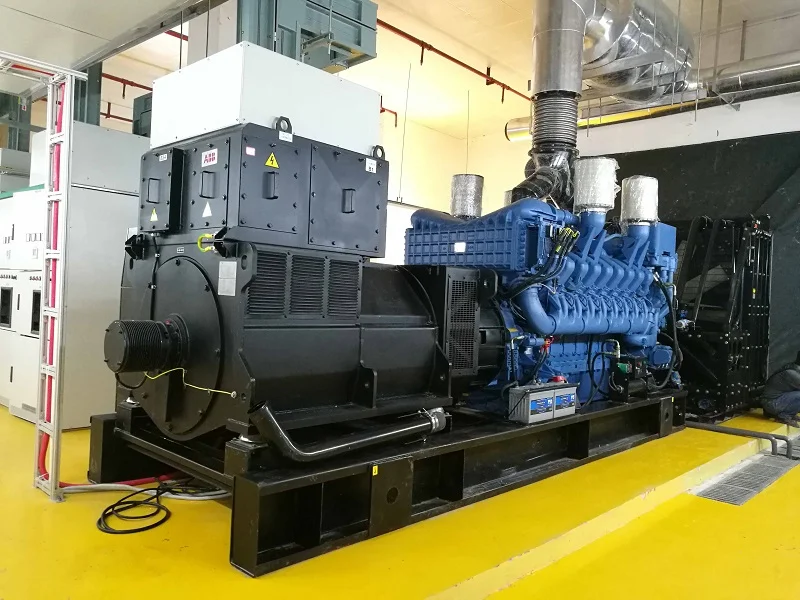
In today’s fast-paced industrial landscape, continuous operational flow is not just an advantage—it is a necessity. Manufacturing facilities, healthcare centers, data hubs, construction sites, and processing plants rely heavily on an uninterrupted electricity supply. A sudden power outage can halt automated assembly lines, corrupt vital data, compromise safety systems, and result in catastrophic financial losses. To protect operations against the unpredictable nature of grid failure, choosing the right secondary power solution is critical. Among the various energy backup systems available today, the diesel generator remains the undisputed cornerstone of industrial power reliability.
Understanding why a diesel generator continues to dominate heavy industry requires a deep look into its engineering, performance characteristics, economic value, and fuel security.
Unmatched Durability and Heavy-Duty Performance
Industrial operations demand power solutions that can withstand severe working environments and high load conditions. A diesel generator is specifically engineered for long-duration runtime under intense operational pressure.
Unlike spark-ignition engines that rely on complex ignition systems, a diesel engine operates through compression ignition. This simplified design eliminates spark plugs and ignition wires, reducing the number of moving electrical components that could potentially fail. Industrial engines are constructed with heavy-duty cast iron, reinforced pistons, and robust crankshafts designed to bear high stress levels continuously. As a result, a high-quality diesel generator routinely achieves long operational lifespans—often running for thousands of operational hours before requiring major overhauls, provided proper maintenance schedules are followed.
Superior Fuel Efficiency and Thermal Density
Energy cost management is a key concern for facility directors and plant managers. Fuel consumption directly dictates the running cost during an extended power blackout. In terms of energy efficiency, diesel fuel possesses a significantly higher energy density per gallon compared to natural gas or gasoline.
Because a diesel generator burns fuel at a higher compression ratio, it extracts more kinetic energy from every unit of fuel consumed. This thermal efficiency translates directly into lower overall fuel consumption rates during heavy load operation. When an industrial plant faces an extended grid disruption lasting several days, operating a diesel generator ensures maximum kilowatt-hour output per gallon of fuel, keeping operational expenses within manageable bounds while providing uninterrupted performance.
Rapid Response and Instant Load-Bearing Capabilities
When grid power fails, critical industrial infrastructure cannot afford delay. Modern backup equipment must start, reach operating frequency, and assume full load responsibility within seconds to prevent critical system failures.
A primary advantage of an industrial diesel generator is its immediate response time. Compression-ignition engines can start quickly and accept full rated electrical loads almost instantaneously without stalling or suffering severe voltage dips. This rapid load acceptance makes a diesel generator the gold standard for mission-critical applications—such as life-support equipment in hospitals, continuous batch manufacturing processes, and major data centers—where even a brief delay in power restoration can cause severe operational damage.
On-Site Fuel Storage and Grid Independence
Power outages are often triggered by extreme weather events, natural disasters, severe storms, or grid instability. During these emergencies, municipal supply lines, including natural gas pipelines, can be disrupted due to ground movement, line pressure drops, or scheduled shutoffs.
A key strength of deploying a diesel generator is complete independence from external utility infrastructure. Fuel can be safely stored on-site in dedicated double-walled storage tanks, fuel bladders, or sub-base day tanks. Facilities can maintain fuel reserves capable of running a heavy-duty diesel generator continuously for days or even weeks. This independent fuel supply provides true energy security, ensuring that operational continuity is never tied to external supply networks during widespread regional crises.
High Power Output and Load Versatility
Industrial facilities operate heavy equipment that creates immense starting current surges, including large electric motors, high-capacity compressors, heavy HVAC chillers, and hydraulic pumps. Power backup systems must be capable of handling these transient electrical surges without tripping or faltering.
Engineered with high torque capabilities and high displacement engines, a diesel generator excels at handling sudden inductive load spikes. Whether powering a isolated mining operation, an off-grid construction site, or a large industrial complex, a diesel generator provides stable voltage and frequency control. Furthermore, units can be paralleled together to form multi-megawatt power plants, offering scalable power solutions that grow alongside industrial expansion.
Safety, Fuel Stability, and Storage Longevity
Safety is paramount in any industrial environment. Compared to gasoline, diesel fuel exhibits a significantly higher flash point, making it far less volatile and drastically reducing the risk of accidental ignition or explosion during handling and storage.
From a logistics perspective, diesel fuel remains stable over extended periods when treated with standard additives and maintained through periodic fuel polishing. Industrial operations can store bulk fuel safely on site without the extreme pressure risks associated with compressed natural gas or propane storage. This high margin of safety makes a diesel generator a trusted backup option in hazardous industrial locations, chemical processing plants, and heavy manufacturing sites.
Low Maintenance Requirements and Long Service Intervals
While routine preventive maintenance is essential for any industrial machinery, a diesel generator requires less frequent mechanical intervention compared to spark-ignition alternatives.
Without delicate ignition components to replace or tune up, routine upkeep primarily involves:
- Regular oil and filter replacements
- Air filter checks and intake cleaning
- Fuel system inspections and fuel testing
- Coolant system checks and battery health monitoring
Because a diesel generator operates at lower rotational speeds (typically 1500 or 1800 RPM) while generating substantial torque, mechanical wear on internal engine parts is minimized. Lower wear rates mean extended service intervals, minimal downtime, and predictable overall maintenance costs over the lifecycle of the unit.
Conclusion: Securing Industrial Continuity
In an industrial setting, reliable backup power is not merely an optional utility—it is a core business asset that safeguards profitability, protects machinery, and ensures worker safety. While alternative backup technologies continue to evolve, none match the proven track record, high energy density, rugged durability, and immediate load acceptance of the diesel generator.
By investing in a robust, correctly sized diesel generator, industrial enterprises gain total independence from grid vulnerabilities. Whether facing short utility flickers or multi-day grid blackouts, a diesel generator provides the ultimate safety net, ensuring that production lines remain active, critical data remains protected, and operations proceed uninterrupted.